Introduction
In today’s digital world, having an online presence is no longer optional. Whether you are a business owner, freelancer, blogger, or student, understanding SEO and Digital Marketing can help you reach a larger audience and achieve your goals. Search Engine Optimization (SEO) is one of the most effective ways to drive organic traffic to a website and improve visibility on search engines like Google.
This guide will introduce you to the fundamentals of SEO and Digital Marketing, helping you build a strong foundation for online success.
What is SEO?
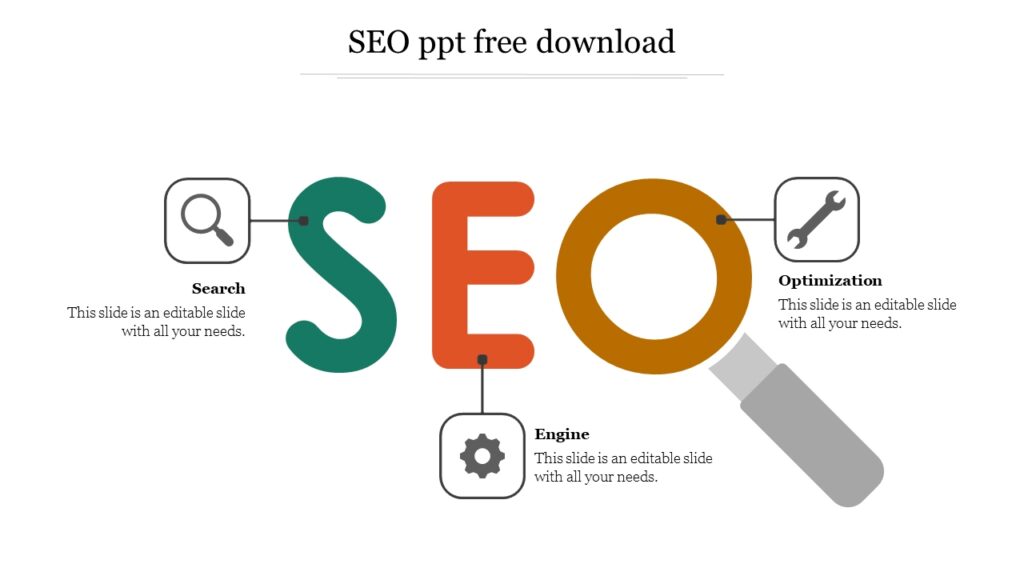
SEO (Search Engine Optimization) is the process of optimizing a website to improve its ranking in search engine results pages (SERPs). The higher your website ranks, the more likely users are to visit your site.
The primary goal of SEO is to increase organic traffic without paying for advertisements. SEO involves improving content quality, website structure, page speed, user experience, and backlink profiles.
Why is SEO Important?
SEO offers numerous benefits, including:
- Increased organic website traffic
- Better visibility in search results
- Improved brand credibility and trust
- Higher conversion rates
- Long-term marketing results
- Better user experience
Businesses that invest in SEO often gain a competitive advantage and attract more customers over time.
Types of SEO
1. On-Page SEO
On-Page SEO refers to optimizations made directly on your website pages.
Key elements include:
- Keyword research and optimization
- SEO-friendly titles
- Meta descriptions
- Heading tags (H1, H2, H3)
- Internal linking
- Image optimization
- Content quality
2. Off-Page SEO
Off-Page SEO focuses on activities outside your website that improve authority and trust.
Examples include:
- Link building
- Guest posting
- Social media promotion
- Brand mentions
- Influencer outreach
3. Technical SEO
Technical SEO ensures that search engines can properly crawl and index your website.
Important factors include:
- Fast page loading speed
- Mobile responsiveness
- XML sitemap
- Robots.txt optimization
- HTTPS security
- Structured data markup
What is Digital Marketing?
Digital Marketing refers to promoting products, services, or brands through digital channels such as search engines, websites, social media, email, and online advertising.
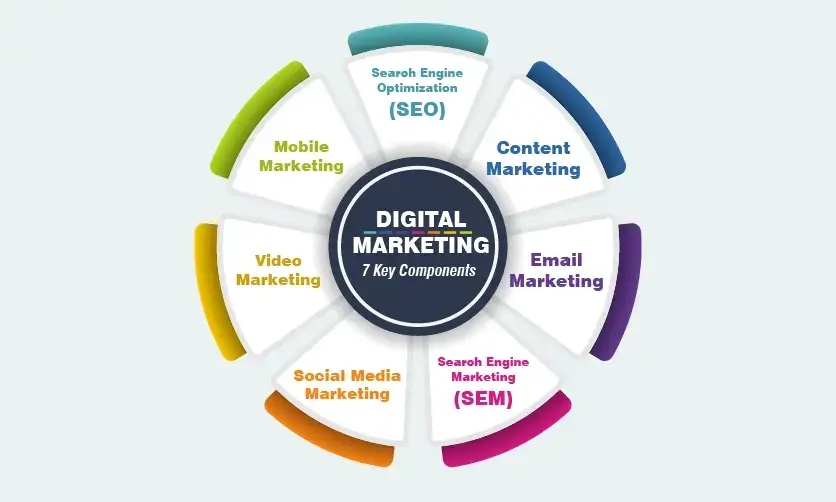
It helps businesses connect with their target audience and generate leads, sales, and brand awareness.
Major Components of Digital Marketing
Search Engine Optimization (SEO)
Improves website visibility and organic traffic.
Content Marketing
Creating valuable content to attract and engage users.
Social Media Marketing
Promoting brands through platforms such as Facebook, Instagram, LinkedIn, and X.
Email Marketing
Building relationships with customers through email campaigns.
Pay-Per-Click Advertising (PPC)
Running paid ads to drive targeted traffic.
Affiliate Marketing
Earning commissions by promoting products and services.
Keyword Research for Beginners
Keyword research is the foundation of successful SEO.

Good keyword research helps you understand:
- What users are searching for
- Search volume
- Competition level
- User intent
Popular keyword research tools include:
- Google Keyword Planner
- Google Trends
- Ahrefs
- SEMrush
- Ubersuggest
Always focus on keywords that are relevant to your audience and content.
Content Optimization Tips
To improve your content’s SEO performance:
- Use your primary keyword naturally.
- Create engaging headlines.
- Write valuable and original content.
- Use short paragraphs and bullet points.
- Add relevant images.
- Optimize image alt text.
- Include internal and external links.
- Update content regularly.
Common SEO Mistakes to Avoid
Many beginners make these mistakes:
- Keyword stuffing
- Duplicate content
- Slow website speed
- Poor mobile optimization
- Ignoring technical SEO
- Buying low-quality backlinks
- Not using Google Search Console

Avoiding these mistakes can significantly improve your SEO performance.
How Long Does SEO Take?
SEO is a long-term strategy. Most websites begin seeing noticeable improvements within 3 to 6 months. Competitive industries may take longer.
Consistency, quality content, and proper optimization are the keys to long-term success.
Conclusion
SEO and Digital Marketing are powerful skills that can help individuals and businesses grow online. By understanding the basics of SEO, conducting keyword research, creating high-quality content, and implementing digital marketing strategies, you can improve your online presence and achieve sustainable growth.

Start learning, keep practicing, and stay updated with the latest SEO trends. Success in digital marketing comes from continuous learning and consistent effort.